Showing posts with label Turk Yemekleri. Show all posts

Balık Ekmek - One of Istanbul's popular street foods.


It’s finally summer and a perfectly warm weather for me means going out and eating out. After the cold winter months and wet spring in Istanbul, I think its just time to really get some sea breeze.  So I decided to go sightseeing and spend a lazy Sunday with my family in Eminönü, one of the busiest districts of Istanbul's Europe side.  My son wanted to get on a ferry boat ride from Kadikoy to Eminönü so we got on a local ferryboat from Kadikoy to Eminönü.

The Common Fish and Other Seafoods Sold in Turkish Supermarkets


I’ve been posting about fırında balık (oven baked fish) yesterday after our holiday dinner. Luckily we got those fishes for a really cheap price at the market yesterday because of the Zafer Bayramı (Victory Day) holiday. Actually, the çipura or çupra (Gilthead Sea Bream) in this season are supposedly sold at 14.90 TL (Turkish Lira) per kilogram with each fish weighing at about 200-400 grams. But since its holiday yesterday, their prices drop from 14.90 per kilogram to just 9.99 TL (that's just about $5)! Well that’s pretty damn cheap, so l guess it only makes sense to get a few more fishes to take home and use the freezer to store them for consumption in the next couple of days (perhaps for a different menu).

Oven Baked Fish with Vegetables - Sebzeli Fırında Balık


As we celebrate Victory Day (Zafer Bayramı) today, military parades, Turkish Air Force demonstration flights, and public street parades all make up the local news on television. And when you go out to the streets, you’ll see red Turkish flags hanging on windows and balconies of residential apartment buildings, houses, shops, offices, public and commercial buildings as well as posters and images of Mustafa Kemal Atatürk (the founder of modern Turkey).

Menemen - Turkish breakfast of scrambled eggs


I have always loved making menemen for breakfast.  And even though I’m trying so hard not to have eggs everyday for my early morning meal, I still make menemen once in a while (at least once in a week) to satisfy my appetite for this delicious Turkish-style scrambled eggs.  If you’ll ask me why, its because in making a single serving of menemen, you just don’t consume one whole egg but at least 2-3 more.  Now I don’t want to have too much eggs in my diet, so I have to stick to my rule that I should only have menemen once or at most twice a week.  And most of the time,  I do prefer to have menemen on my breakfast table during a lazy weekend.  

Fried Horse Mackerel - Istavrit balığı kızartması


The horse mackerel, also known in Turkey as istavrit is one of my favorite fishes to deep fry or just pan fry in winter. They are mostly at its best during the winter months when they are usually fat which makes them even more delicious. Besides that, they are mostly abundant in winter, especially within the early days of December to late January. And because they are at its peak, their abundance makes them very affordable when sold in the markets by the kilo. And unlike hamsi or anchovies which are typically small even when they are fat, the horse mackerel may come much bigger and fatter than the anchovies. More to that, you can buy more plentiful and cook more flavorful horse mackerel if you buy them in anytime between January to early February.

Kestane şekeri - Candied chestnut, a traditional Turkish sweet


Turkey has a wide range of traditional sweets. And one of these that I love the most is kestane şekeri or candied chestnut that’s usually prepared by cooking chestnuts in sweet sugar syrup.

Turkish Beyti Kebab

A single serving of  beyti kebap.

In Turkey, kebabs can be found everywhere. And of these many delicious varieties of kebabs you’ll find everywhere in restaurants big or small, it’s the beyti kebab that is among my favorites and usually stays on my top list.

How to Make Kabak Tatlısı – Turkish Pumpkin Dessert Recipe


I have to say that I have never tried making kabak tatlısı or pumpkin/butternut squash dessert before on my own.  Though as much as I’ve tried eating it several times before (my family and friends always make it), I can easily tell anyone who wonders how it tastes like that kabak tatlısı or Turkish pumpkin dessert is so delicous!

Turkish Pilaki - Delicious bean starters and side dish


Pilaki, a kind of Turkish starter or side dish (known in Turkey as meze) is usually cooked in thick sauce made mainly with olive oil, carrots, potatoes, garlic, tomatoes, green peppers, and onions.

Pilaki dishes made with white beans (fasulye pilaki) and borlotti beans (barbunya pilaki) are the most commonly cooked in Turkish kitchens.  Pilaki dishes may be served warm or cold - depending on individual preferences and are usually garnished with parsley or drizzled with fresh lemon juice.

Hamsi Tava


Pan-fried anchovies, also known as hamsi tava in Turkish is just one of the many delicious ways that anchovies are being prepared and cooked in Turkey.  Hence, it's also the most popular and best enjoyed among the Turkish locals especially in Istanbul.

Ispanakli börek for a healthy breakfast.


Come winter and every kind of freshly baked börek is a welcome sight in every Turkish breakfast table.  Obviously,  we are in the month of December where one can easily feel the winter chill not only in Istanbul but also in the other towns and cities as well as other regions of Turkey.  This also means, its time to have something deliciously hot in the kitchen table to snack on.  Yes, I mean cold winters would go well with steamy or sizzling hot foods.

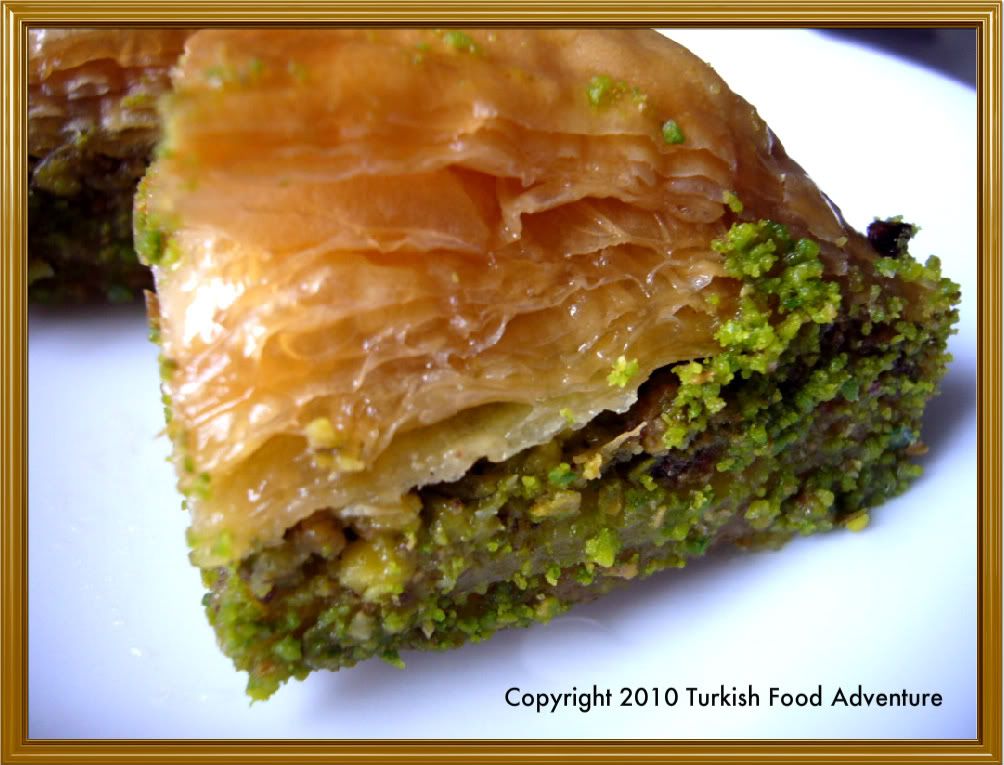
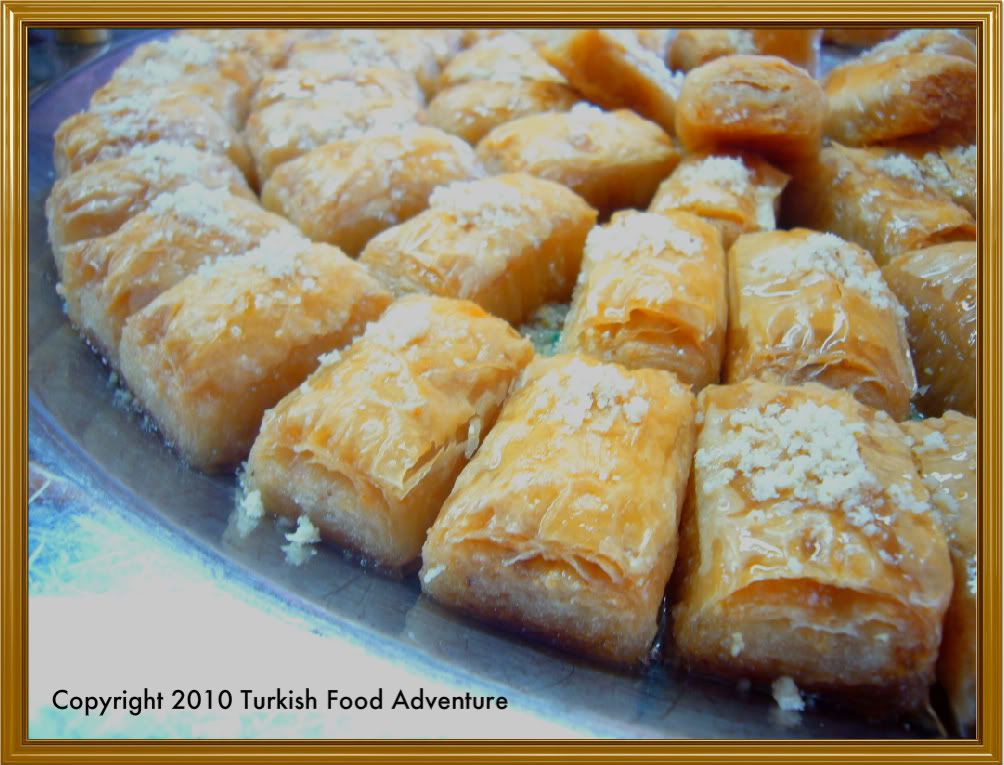
Baklava, a world-renowned dessert of the Turkish Cuisine.


Baklava is not just any dessert.  It's almost like a symbol of the Turks' love for sweets.

This layered flaky delicacy is usually made of extremely thin sheets of pastry and brushed with melted butter. As the layers of thin pastry are stacked, it is then filled with either chopped pistachios (called antep fıstıklığı baklava in Turkish) or with chopped walnuts (cevizliği baklava) - also sometimes referred to as ev baklavası, meaning homemade baklava. Its then baked in the oven and soaked in warm lemony and sweet syrup.

Throughout the years, many variations of making baklava has been made. There are baklavas made with very thin phyllo sheets usually available in the markets so people can easily prepare baklava at home. Some baklavas are filled with hazelnuts or a combination of pistachios and walnuts and or filled with heavy cream.


No matter which way baklava is made or what it consist of, its mouth-watering sweetness and its gentle slight crunch to every bite has long become not just a favorite to the Turkish people but also a common favorite to most of the tourists visiting Turkey.

In Turkey, the city of Gaziantep is popularly known to be the native home of baklava. This is where the Turkish patent office registered a geographical indication certificate for Antep Baklava in 2008.